A clear, grounded guide to this no-touch complementary practice
Pranic Healing is often described as energy healing, but that phrase can raise as many questions as it answers. Understanding what the practice includes—and where its limits belong—can help you approach a session with realistic expectations and make informed choices about your well-being.
What Pranic Healing Is
According to Pranic Healing teachings, prana is life energy. These teachings describe an energy body, sometimes called the aura, that surrounds and interpenetrates the physical body. Pranic Healing uses a structured series of techniques intended to cleanse congested energy and bring fresh prana to areas that may feel depleted or out of balance.
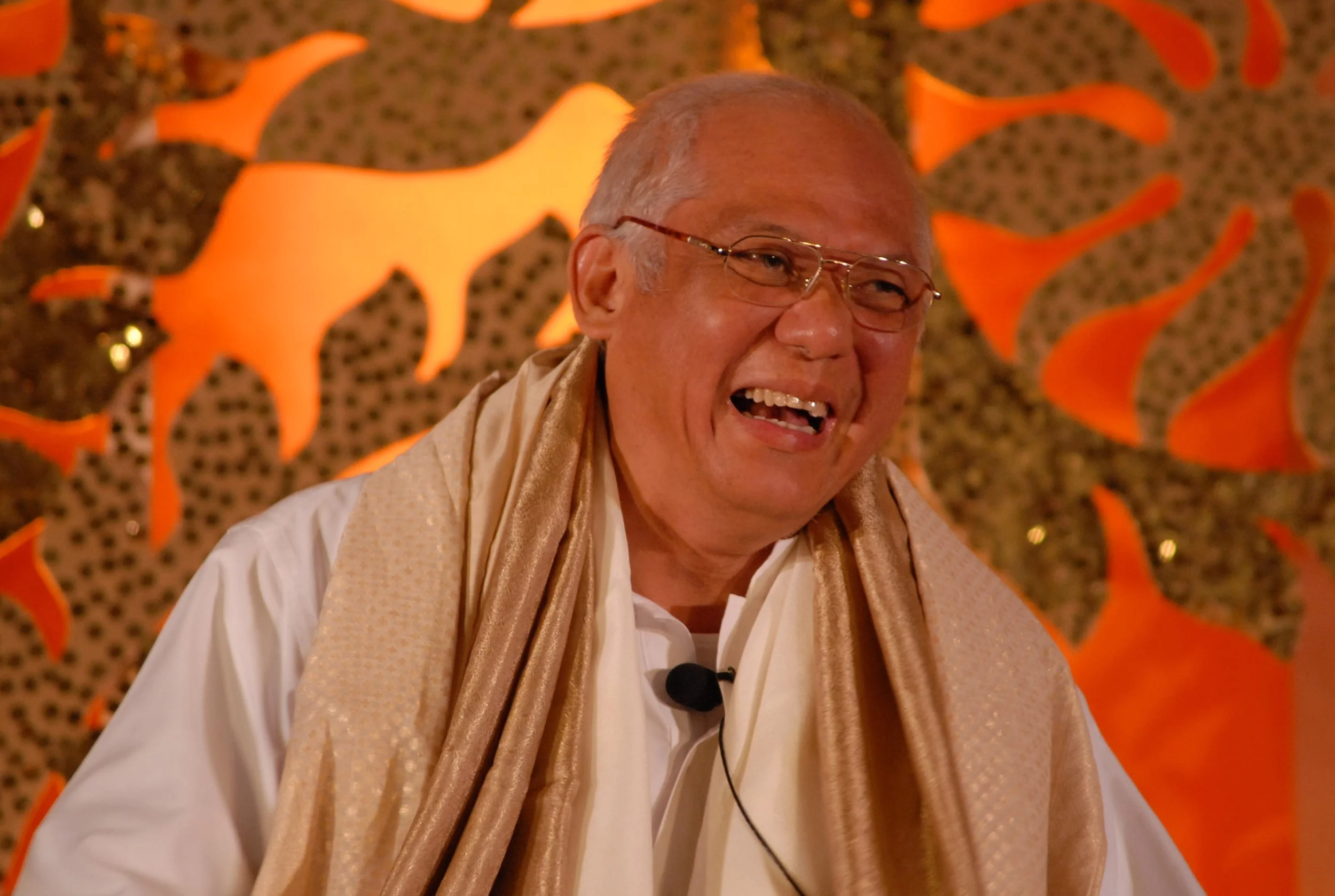
The system was developed by Master Choa Kok Sui and is taught through step-by-step methods. A practitioner works with the energy field rather than touching the physical body. The client remains fully clothed, and sessions may be offered in person or at a distance.
What Happens During a Session
A session usually begins with a brief conversation about what you would like support with. You may sit comfortably or lie down while the practitioner works several inches—or sometimes several feet—away from your body.
Within Pranic Healing practice, the practitioner may use the hands to assess, cleanse, and energize the energy field. There is no massage, manipulation, or physical contact. Some people report warmth, coolness, tingling, emotional release, or deep relaxation; others notice very little during the session. An experience does not need to feel dramatic to be meaningful, and individual responses vary.
Afterward, you may be encouraged to rest, drink water, and notice how you feel without forcing an interpretation.
What Pranic Healing Is Not
Clear boundaries are an important part of responsible practice. Pranic Healing is:
Not massage or hands-on bodywork. The practitioner does not need to touch the client.
Not medical diagnosis or treatment. A Pranic Healing practitioner does not diagnose illness, prescribe medication, or direct you to change licensed care.
Not a replacement for medical or mental-health support. It is intended to be complementary.
Not emergency care. Urgent physical or mental-health concerns require appropriate licensed or emergency services.
Not a guaranteed outcome. No ethical practitioner should promise a cure or a specific result.
Not dependent on a particular religious belief. You may approach the practice through spiritual interest, personal reflection, or simple curiosity.
Your Role as a Client
You are always free to ask questions, express preferences, or stop a session. A practitioner should explain the process clearly, respect your comfort and privacy, and stay within the scope of complementary energy practice.
Continue prescribed medical and mental-health care unless a licensed professional advises otherwise. Pranic Healing can sit alongside that care as a supportive practice; it should never compete with it.
A Grounded Way to Begin
You do not have to believe everything about energy healing before experiencing a session. You can begin with openness, healthy discernment, and attention to how the experience feels for you. The most helpful approach is often both receptive and practical: remain curious, ask clear questions, and keep appropriate healthcare support in place.
Please note: Pranic Healing is a complementary practice and is not a substitute for medical or mental-health care. It does not diagnose illness, prescribe treatment, or guarantee outcomes.